Posted on 8/28/2026
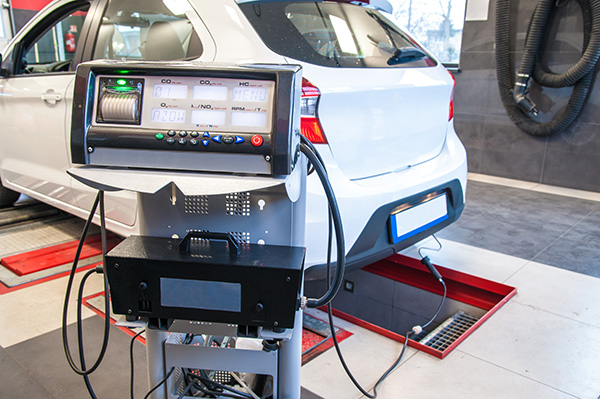
An emissions test can catch drivers off guard because the car does not always feel like something is wrong. It may start normally, drive well, and show no obvious loss of power. Then it fails the test because the computer has found a problem that affects how the engine burns fuel or controls exhaust emissions. Some failures are straightforward. Others take more testing because several systems work together to keep emissions within the expected range. When we inspect a vehicle after a failed test, the first step is finding out exactly why it failed instead of replacing parts based on the test result alone. 1. The Check Engine Light Is On On vehicles tested through the onboard diagnostic system, an active check engine light is one of the quickest ways to fail. The light means the computer has stored a fault that affects engine operation, fuel control, or emissions equipment. A trouble code does not automatically tell us which part needs replacement. A lean code, for ... read more
Posted on 7/31/2026

Driving down a dark, winding country road at night is already a situation that requires your full concentration. You rely entirely on that steady, bright beam of light cutting through the darkness ahead of you to spot potholes, deer, or sudden turns in the road. So, when your headlights suddenly begin to flicker, dim, or stutter like a strobe light, it can be an incredibly unsettling experience. It feels like your car is haunted, or worse, about to completely lose power and leave you stranded in pitch-black darkness. At our shop, we treat headlight flickering as a high-priority issue. While a flickering light bulb in your living room is just an annoyance, a flickering headlight on the highway is a genuine safety hazard that compromises your visibility and makes it hard for other drivers to see you. When your lights start acting up, it is easy to assume you just need a new set of bulbs. However, because modern automotive electrical systems are so interconnected, flickering headlights ... read more
Posted on 6/26/2026

There is a big difference between packing your car and packing it well. At our shop, we see this every summer. A family gets ready for a road trip, starts stacking bags, coolers, pillows, snacks, chargers, extra shoes, and all the just in case items that somehow multiply overnight. Everything fits, technically, but the car ends up overloaded, hard to see out of, and way less comfortable than it needs to be. Packing efficiently is not only about making more room. It is also about making the drive safer, easier, and less stressful. A poorly packed car can affect visibility, fuel economy, comfort, and even how the vehicle handles on the road. And when the weather is hot, cluttered cabins can make the whole trip feel more cramped and chaotic before you even hit the highway. The good news is that packing smarter does not require fancy gear or a giant SUV. It just takes a little planning and a better approach than throwing everything into the cargo area and hoping for the best. St ... read more
Posted on 5/29/2026
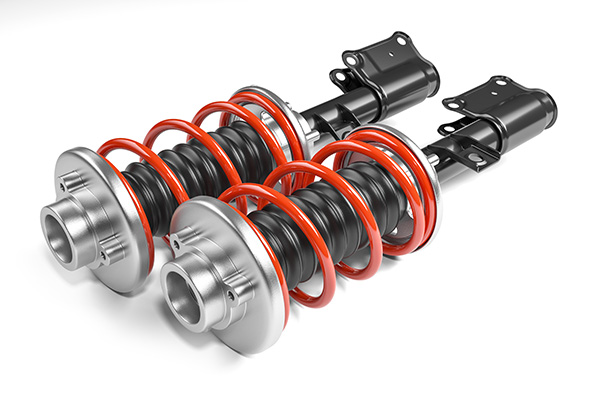
A car with worn shocks or struts does not always feel broken right away. It may still start, steer, and stop. The change shows up in smaller ways first, like a bounce that lasts too long, a front end that dips too much, or tires that start wearing in a strange pattern. That is where drivers tend to adjust without realizing it. Shocks and struts help control how the vehicle moves over bumps, during braking, in turns, and when road conditions change. When they wear out, the car can feel loose, noisy, or less steady than it used to. 1. The Car Keeps Bouncing After Bumps A healthy suspension should recover quickly after a bump. The car moves, settles, and feels controlled again. If it keeps bouncing or floating after dips in the road, the shocks or struts may not be controlling the spring movement well. Drivers often notice this on familiar roads first. A speed bump, driveway entrance, or rough patch near home suddenly feels more dramatic than it used to. That extra m ... read more
Posted on 4/30/2026
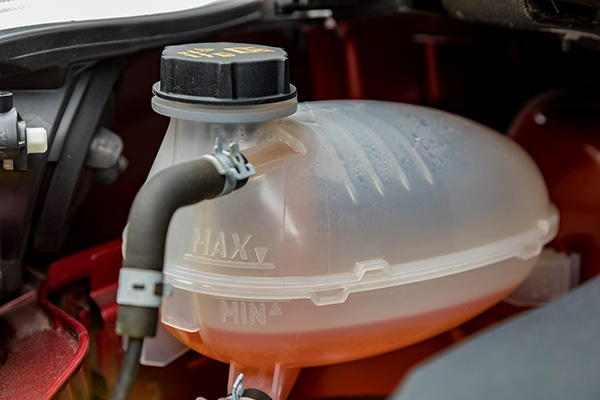
Coolant loss without a visible puddle can be one of the more confusing problems for drivers. You check the reservoir, top it off, and everything seems fine. Then, a few days or weeks later, the level drops again with no clear sign of where it went. Coolant does not simply disappear. When levels keep dropping, there is always a source. The challenge is that some leaks are not easy to see without a closer inspection. Internal Engine Leaks Can Go Unnoticed One of the more serious causes of hidden coolant loss is an internal engine leak. A worn head gasket or small crack can allow coolant to enter the combustion chamber or mix with engine oil. In these cases, you will not see a drip under the car. Instead, coolant may burn off during operation. You might notice white exhaust smoke, a slight sweet smell, or milky oil residue if the issue progresses. Small External Leaks Can Evaporate Not every leak leaves a puddle. Some leaks are small enough that coo ... read more