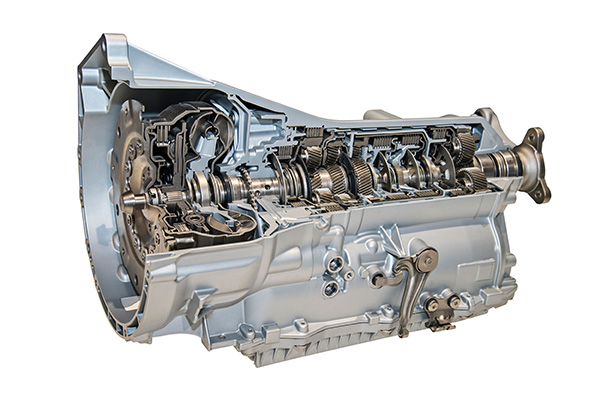
A grinding noise when you accelerate is one of those sounds that makes you ease off the gas without even thinking. The car may still move fine, but your brain keeps asking one question. Is something about to let go?
The tricky part is that grinding under acceleration can come from a few different systems that all get loaded at the same moment. If you catch the pattern early, you can usually prevent a small issue from turning into a much bigger drivability problem.
What Grinding During Acceleration Usually Means
Acceleration puts torque through the drivetrain. That torque loads the transmission, axles, mounts, and sometimes the exhaust and heat shields too. If something is worn, low on fluid, or out of alignment, it can start making noise right when the load increases.
Grinding is often a sign of metal-to-metal contact, a bearing that is rough, or a component that is slipping and chattering under torque. It is different from a quick chirp or a brief squeal. Grinding tends to be rougher, and it often grows worse over time.
How To Notice The Pattern That Points To The Cause
Before you try to pin it on one part, it helps to notice when it happens.
Does it grind only when accelerating hard, or even with light throttle? Does it happen at low speed, high speed, or both? Does it happen during a shift, or only after the shift is completed?
Also notice whether the noise changes in turns. If it does, that can hint at wheel-end or axle-related issues rather than a transmission issue. If it stays the same regardless of steering input, the transmission, mounts, or exhaust contact points become more likely.
Low Or Degraded Transmission Fluid Can Create Rough Noises
Automatic transmissions depend on fluid for lubrication, cooling, and hydraulic pressure. If the fluid is low, internal parts can run hotter and the clutches can apply less cleanly. That can lead to harsh engagement and noises that show up most under acceleration.
Old fluid can also contribute. As fluid breaks down, it loses some of its ability to protect internal bearings and manage heat. If you are hearing grinding and the transmission also feels delayed or inconsistent on shifts, the fluid condition and level should be checked sooner rather than later.
If a transmission fluid warning appears on the dashboard, or if you notice slipping along with the noise, that is a strong reason to stop pushing the vehicle and schedule service quickly.
Torque Converter And Lockup Issues That Sound Like Grinding
In many automatic transmissions, the torque converter has a lockup clutch that engages at cruising speeds to improve efficiency. When that lockup system starts to wear or behave inconsistently, it can create a shudder, vibration, or rough sensation that some drivers describe as grinding.
This usually shows up at steady speeds or during light acceleration when the lockup is trying to engage. It may feel like a rumble strip sensation. It is not always loud, but it is very noticeable. The best way to confirm it is through a test drive combined with scan data, because the timing of lockup events is a major clue.
CV Axles And Wheel-End Issues That Mimic Transmission Grinding
Not every grinding noise under acceleration is inside the transmission. Inner CV joints can create a vibration or rough growl under load, especially when accelerating uphill or merging. If the noise changes when you turn slightly, or if it feels stronger from one side, an axle or wheel bearing moves up the list.
Wheel bearings can also growl more under load. They often get louder with speed and may change when turning as weight shifts from side to side. Brake drag, such as a caliper that is sticking, can create a grinding sound that gets worse as speed rises.
A quick visual clue is grease near the inner wheel area. That can suggest a torn CV boot, which often leads to joint wear and noise. Even if the boot damage is not obvious, a drivetrain inspection can confirm whether the noise is axle-related.
Engine And Transmission Mounts That Cause Contact And Vibration
Mounts are designed to control drivetrain movement. When a mount is weak or torn, the engine and transmission can shift more under acceleration. That movement can cause contact with nearby components, create harsh vibration, and in some cases cause an exhaust component or heat shield to rub.
This is one reason a noise may feel like it is coming from the center of the car even when the transmission is healthy. A mount issue can also make shifts feel rougher because the drivetrain is moving too much during load changes.
If you notice a clunk when shifting from Reverse to Drive along with the grinding under acceleration, mounts are a common overlap area to inspect.
Mistakes That Can Make Grinding Worse
A few habits can turn a small problem into a bigger one.
- Do not keep accelerating hard to see if it goes away. That loads the exact components that are already complaining.
- Avoid towing or heavy loads until the cause is identified.
- Do not ignore fluid leaks, even small ones, because low fluid can create rapid damage in a transmission.
- Also, avoid repeated stop-and-go driving if the vehicle feels like it is slipping or shifting unpredictably. Heat is a major enemy of transmissions, and heavy traffic adds heat quickly.
Get Transmission Diagnostics in Arlington, TX, with Euro Car Tech
We will test the vehicle, check transmission fluid condition and level, and inspect axles, mounts, and wheel-end components that can mimic transmission grinding. We’ll confirm the cause before recommending repairs, so you are not guessing or replacing parts blindly.
Call Euro Car Tech in Arlington, TX, to schedule a transmission inspection and get clear answers before the noise turns into a breakdown.