An exhaust rattle can be one of the most annoying noises because it often shows up at the exact RPM you use every day. The car might sound fine at idle, then buzz or clatter when you pull away from a stop or cruise up a hill. Sometimes it is harmless, and sometimes it is the first sign a part is coming loose.
The quickest way to solve it is to figure out what is actually rattling and when it happens.
Where Exhaust Rattles Usually Come From
Most exhaust rattles come from parts that are meant to be tight but have a little extra movement. Heat cycles expand and contract metal, so bolts loosen over time and thin brackets fatigue. Road salt, water, and normal vibration speed that up. A rattle can also be caused by the exhaust shifting slightly and tapping the body, a crossmember, or a heat shield.
The frustrating part is that the sound can travel. A rattle you hear under the center of the car might actually be coming from the front. That is why pinpointing the exact spot matters more than guessing the part.
Heat Shields And Hangers
Heat shields are a top cause because they are thin metal and they live in a brutal environment. They can crack around mounting points, rust through, or lose a fastener. When that happens, the shield flutters and buzzes, especially during light acceleration or when the engine is under a little load. It might sound like something inside the muffler, but it is really an external shield shaking against the exhaust.
Hangers can cause similar noise. If a rubber hanger stretches or tears, the exhaust sags and starts tapping nearby components. You might notice the rattle more over bumps or when shifting from Reverse to Drive because the system rocks slightly.
Loose Internal Muffler Or Catalytic Converter Parts
Sometimes the rattle is inside a component. Mufflers can develop broken internal baffles, and that loose piece will shake when exhaust pulses hit it. The noise often changes with RPM and can sound like a can full of small metal pieces. A catalytic converter can also rattle if the internal substrate breaks apart, which is more likely if it has been overheated or physically damaged.
Internal rattles often show up when you start the car cold, then change once everything warms up. You might also hear it most clearly when you rev the engine lightly in Park. If the noise is internal, tightening exterior clamps will not fix it.
Exhaust Leaks That Sound Like Rattles
Not every exhaust noise is a rattle. A small leak at a flange or manifold area can make a sharp ticking that people describe as a rattle. It can get louder under acceleration and quiet down at steady speed. If the leak is close to a heat shield, the escaping gas can make the shield vibrate, which creates both sounds at once.
Leaks can also shift the way the exhaust system sits. When a gasket fails, the joint can loosen, and the pipe might start contacting something it never touched before. That is why an exhaust leak and an exhaust rattle sometimes arrive as a package deal.
When The Rattle Happens And What It Suggests
The timing of the noise is a big clue. A rattle that shows up only at idle can point to a loose shield, a hanger issue, or a pipe touching the body while the engine is vibrating. A rattle that happens only during acceleration can suggest an internal muffler issue or a converter substrate starting to break up. If it happens only when you let off the gas and coast, that can point to a shield fluttering with changes in exhaust flow.
It also helps to note whether bumps make it worse. If a pothole makes the sound change, the exhaust may be moving too much. If the sound is tied to one specific RPM band and you can reproduce it while parked, that leans more toward a component or shield vibration.
What A Shop Checks To Find The Real Cause
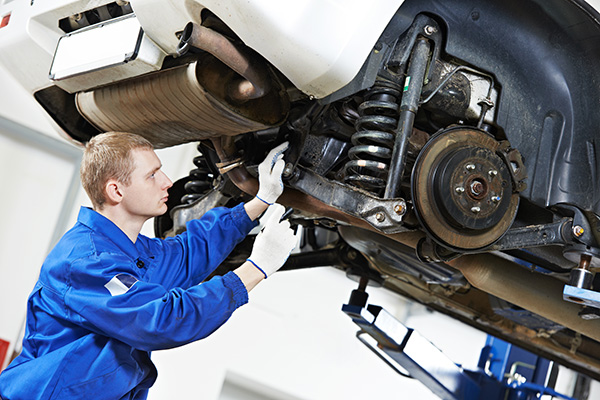
A proper inspection usually starts with the vehicle safely lifted so the full exhaust path can be checked. The tech will look for shiny contact marks where the pipe has been tapping, broken shield mounts, loose clamps, and hanger stretch. Light tapping and controlled movement tests help locate the exact spot that is buzzing. If the rattle seems internal, checking component condition and listening at different points helps narrow it down.
This is one of those issues where a quick visual from the driveway can miss the real problem. A tiny missing fastener or a cracked shield tab can be easy to overlook without getting the vehicle up and checking clearances. Catching it early also helps avoid the rattle turning into a cracked pipe or a failed hanger that lets the system sag further.
How To Prevent Repeat Exhaust Noise
Exhaust systems live through heat, moisture, and vibration, so some wear is normal. Still, addressing small looseness early helps prevent repeat rattles. If you drive on rough roads often, it is smart to have the exhaust checked occasionally, especially after a hard bottom-out or a pothole hit. Regular maintenance that includes a quick undercar check can catch weak hangers and loose shields before they start buzzing.
Also, do not ignore small exhaust leaks. Leaks can change mounting stress and accelerate corrosion around joints. Fixing a minor clamp or gasket issue now is usually easier than replacing larger sections later.
Get Exhaust Rattle Repair In Arlington, TX, With Euro Car Tech
If you’re hearing an exhaust rattle, the next step is to book service so the loose part is secured or replaced before it turns into a bigger failure.
Schedule an appointment with Euro Car Tech in Arlington, TX, if you want the noise gone and the exhaust system kept solid and quiet for the long run.