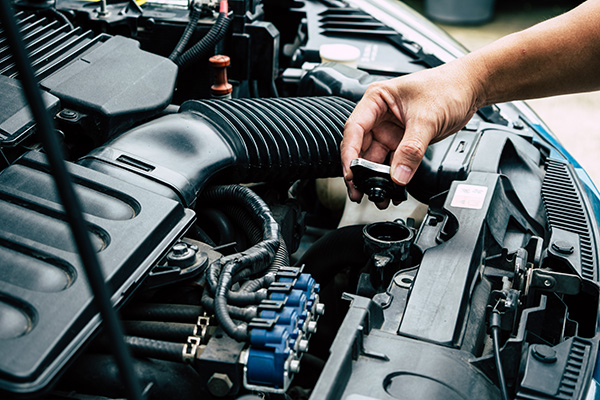
A gurgling sound after you shut down the engine catches drivers off guard because it occurs when the car is finally parked and everything seems to be settling down. Instead, you hear bubbling, trickling, or a hollow glugging sound from under the hood or near the dashboard. The car may have driven normally on the way home, which is why this noise gets dismissed more often than it should.
Most of the time, that sound points back to the cooling system.
Why The Noise Shows Up After Shutdown
When you turn the engine off, heat stays trapped in the engine for a while. Coolant is still hot, pressure is still moving through the system, and the temperature in certain areas can actually rise for a short time before everything starts cooling down. If the cooling system is full, sealed properly, and circulating as it should, the cooldown period tends to stay quiet.
When you hear gurgling, something is interfering with that normal process. Coolant may be moving through an air pocket, boiling slightly in one area, or shifting unevenly between the radiator, heater core, and reservoir.
Low Coolant Is Still The Most Common Reason
Low coolant is one of the first things to suspect when a vehicle makes this kind of sound. If the coolant level drops, air gets into places where liquid should be moving continuously. Then, once the engine is shut off and pressure starts changing, the trapped air shifts around, creating the bubbling noise drivers hear.
This is why a gurgling sound should not be treated like a harmless quirk. A low coolant condition usually means there is a leak somewhere in the system, and that leak will keep getting worse until it is repaired. The sound is often one of the earliest clues that the system is no longer staying full.
Trapped Air Can Make The Sound Seem Worse
Air trapped in the cooling system creates a very specific type of noise. It often sounds like liquid moving through a narrow passage, and many drivers notice it near the firewall or behind the dash because the heater core sits in that area. If air has worked its way into the heater core, the sound may become especially obvious after shutdown.
A few signs often show up with trapped air:
We see this after cooling system repairs sometimes, especially if the system was not fully bled afterward. We see it just as often when a slow leak has been letting air in for a while.
The Pressure Cap Can Be Part Of The Problem
A weak radiator cap or pressure cap can cause more trouble than most drivers realize. That cap helps control system pressure, and pressure is what raises the boiling point of the coolant. If the cap is no longer holding pressure properly, coolant can start bubbling at a lower temperature than it should.
That can create noise in the reservoir or nearby hoses after shutdown. It does not always mean the cap is the only failed part, though a weak cap often makes another cooling system problem easier to hear. During regular maintenance, cap condition is easy to overlook, even though it plays a real role in how stable the system stays.
Restricted Flow Can Trigger Strange Sounds Too
Sometimes the issue is not just low coolant or trapped air. Restricted coolant flow can create a similar sound pattern. A thermostat that is not opening correctly, a partial blockage in the radiator, or a water pump that is not circulating coolant efficiently can all cause hot coolant to move in an uneven way.
When flow is restricted, the system does not release heat as cleanly as it should. That is when shutdown noise becomes more noticeable because the remaining heat has fewer places to go. In some cases, the sound is the first warning before the temperature gauge starts creeping higher on hotter days or in stop-and-go traffic.
When The Noise Starts Pointing To Something Bigger
A one-time gurgle is not always a disaster. A repeated sound, especially with coolant loss or a sweet smell, deserves a real inspection. If the car has been running hot, is losing coolant, or shows changes in heater performance, the gurgling may be telling you the system is already struggling more than it appears from the driver’s seat.
That is the point where a small leak, trapped air, or weak cap can turn into overheating trouble. Left alone long enough, the extra heat starts affecting hoses, seals, and, in worst cases, the engine itself. This is why it pays to catch the problem while the symptom is still just a sound.
What Should Be Checked First
The smartest next step is not to wait for the gauge to spike. Coolant level should be checked when the engine is cold, and the system should be inspected for leaks, cap weakness, trapped air, and signs of poor circulation. Heater performance and reservoir behavior help tell the story, especially if the noise seems to come from behind the dash.
A proper inspection should answer whether the system is low, leaking, holding pressure correctly, and moving coolant the way it should. Once that answer is clear, the repair usually becomes much more straightforward.
Get Cooling System Repair In Arlington, TX, With Euro Car Tech
If your car makes a strange gurgling sound after you turn the engine off, Euro Car Tech in Arlington, TX, can inspect the cooling system, find the source of the noise, and fix the problem before it turns into overheating or a much larger repair.
Bring it in while the sound is still an early warning and not the start of engine damage.