Posted on 8/28/2026
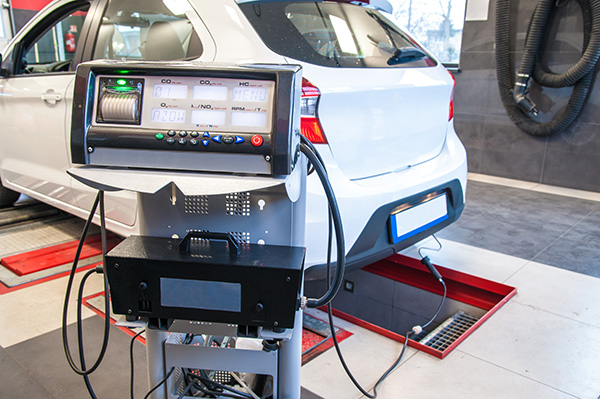
An emissions test can catch drivers off guard because the car does not always feel like something is wrong. It may start normally, drive well, and show no obvious loss of power. Then it fails the test because the computer has found a problem that affects how the engine burns fuel or controls exhaust emissions. Some failures are straightforward. Others take more testing because several systems work together to keep emissions within the expected range. When we inspect a vehicle after a failed test, the first step is finding out exactly why it failed instead of replacing parts based on the test result alone. 1. The Check Engine Light Is On On vehicles tested through the onboard diagnostic system, an active check engine light is one of the quickest ways to fail. The light means the computer has stored a fault that affects engine operation, fuel control, or emissions equipment. A trouble code does not automatically tell us which part needs replacement. A lean code, for ... read more